Mr John Nevin 19.11.25

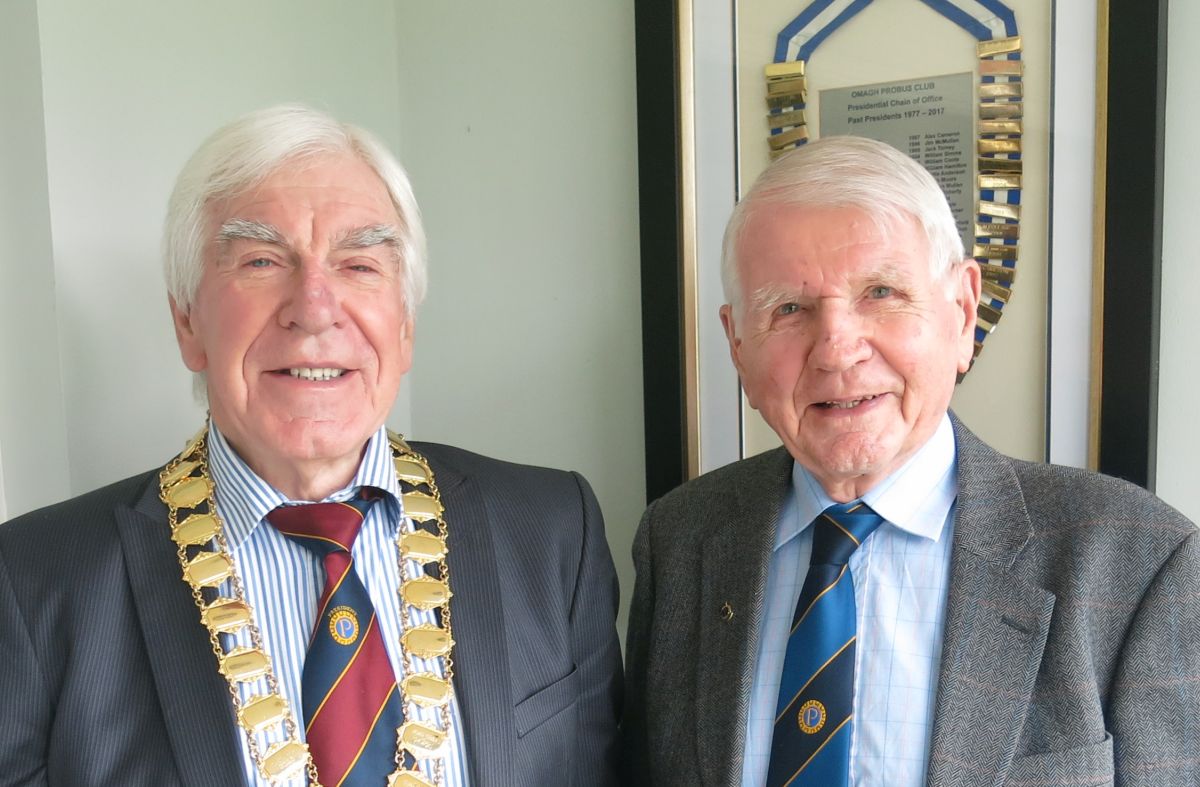
Club President , Felim O’Neill with Mr John Nevin

The speaker on Wednesday 9th November was Mr John Nevin, a retired civil servant whose career had been in the Department of Health and Social Services.  John began his talk by explaining that the concept of “social security” in Britain goes back of the reign of Henry VIII when monasteries doled out alms in the form of food relief.  Old Age Pensions were introduced in 1908, the rate being 5 shillings per week for a single person over 70, and 7 and 6 pence for a married couple.

John entered the social security service as an 18-year-old straight from school, and in the early days very much appreciated the help and guidance he got from older and more experienced colleagues. No-one, he said, likes being unemployed or being made redundant and having to “sign on”.  Back in the day this required a 15-minute face to face interview with a member of staff.  These encounters could at times become confrontational, but he found that the best way to deal with aggression was to be patient, listening, attentive and reflective. His experiences provided plenty of anecdotes of claimants trying to secure benefits while denying that they had jobs.

While most claimants were honest a small minority were referred to the FIO – Fraud Investigation Office.  John reported that although numbers were small (5%) the cost to the public purse was considerable – 5% of £980 million (total budget for 2024 in Northern Ireland) equates to £49 m. Interestingly, some 60% of claimants claim less than their entitlement.

Mr Nevin was warmly thanked for his talk by Club Member Harman Scott
Visit to TEREX 12.11.25

Wednesday 12 November 2025: Club Visit to Terex Finlay Engineering

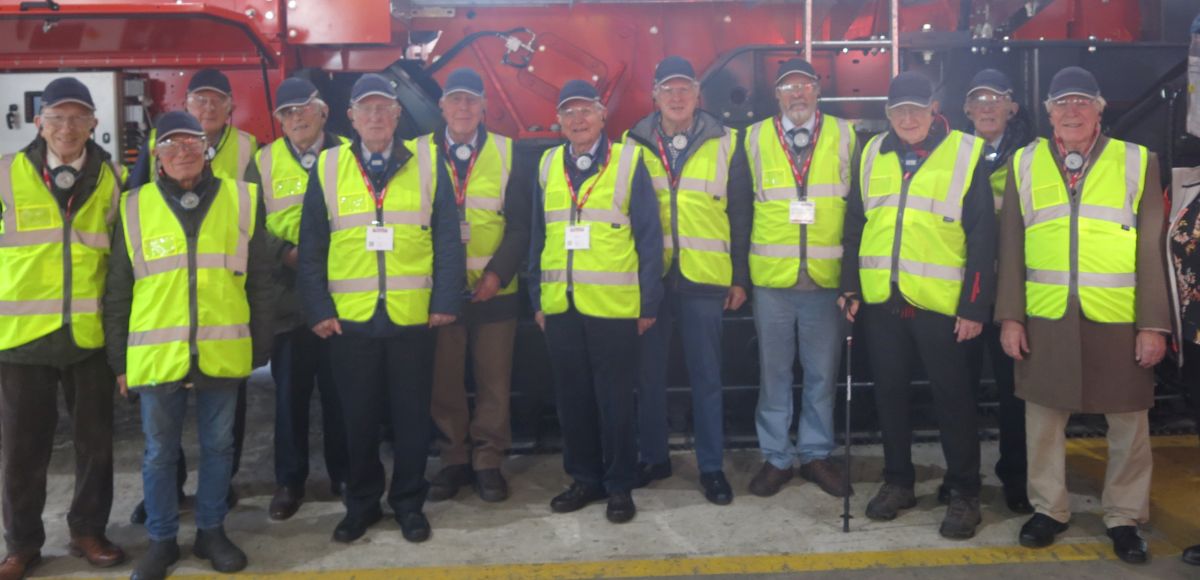
Group Photo Terex Finlay 12.11.25

On Wednesday 12th November 12 members of the club visited the Terex Finlay manufacturing plant on the Drumquin Road, Omagh.  They were warmly welcomed by Clare Johnston who took the party into the Board Room for a briefing before a tour of the factory.  AS part of the briefing Clare gave a short history of the plant, from its beginnings as a block-making venture in the 1970’s to the global company it has become.  Later in the day club member Ivan Brown recalled selling their early block-making machines for Twelve Pounds, Shillings in 1949.
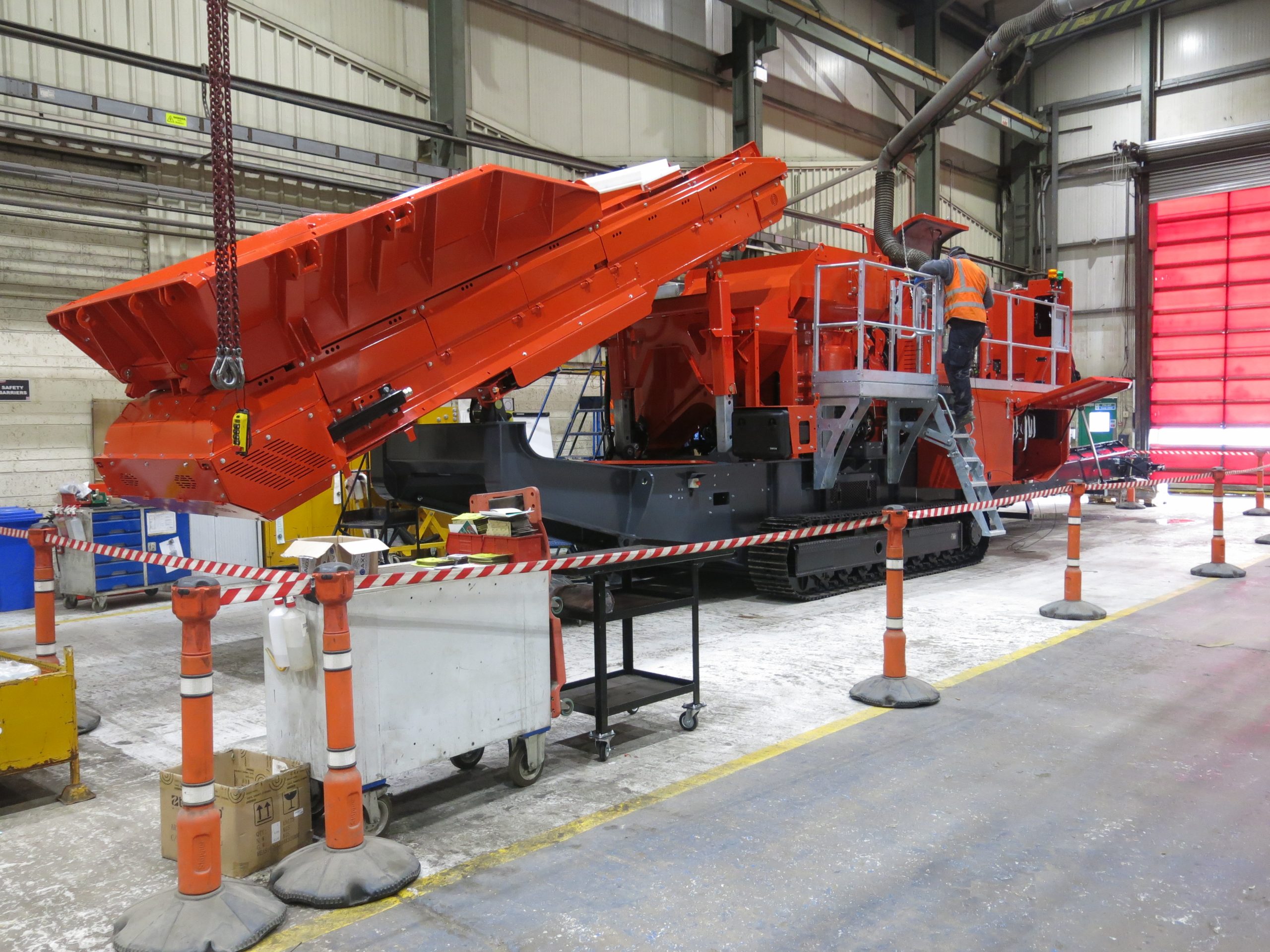
Today one of Terex’s large stone crushing machines would set you back £1.5 million and weigh up to 90 tons. Manufacturing is so efficient that one new machine rolls of the production line every day, it having taken anything from 6 – 10 weeks from start to finish. Each machine it tailored to the specific requirements of the purchaser. The scale of the enterprise and the logistics required to bring it all together begins to register when one understands that each crushing machine has some 62,000 components. Each component has sticky label with a QR code, which when scanned will inform the operator of exactly what needs to be done next. Increasingly Computer controlled machines do the precision engineering that turns raw steel into the component parts assembled to make the finished article.
Members were impressed by the scale and complexity of the operation and left with a feeling of pride in the success and achievements of this local enterprise.

Terex crushing machine nearing completion

Kenneth Collins 05.11.25

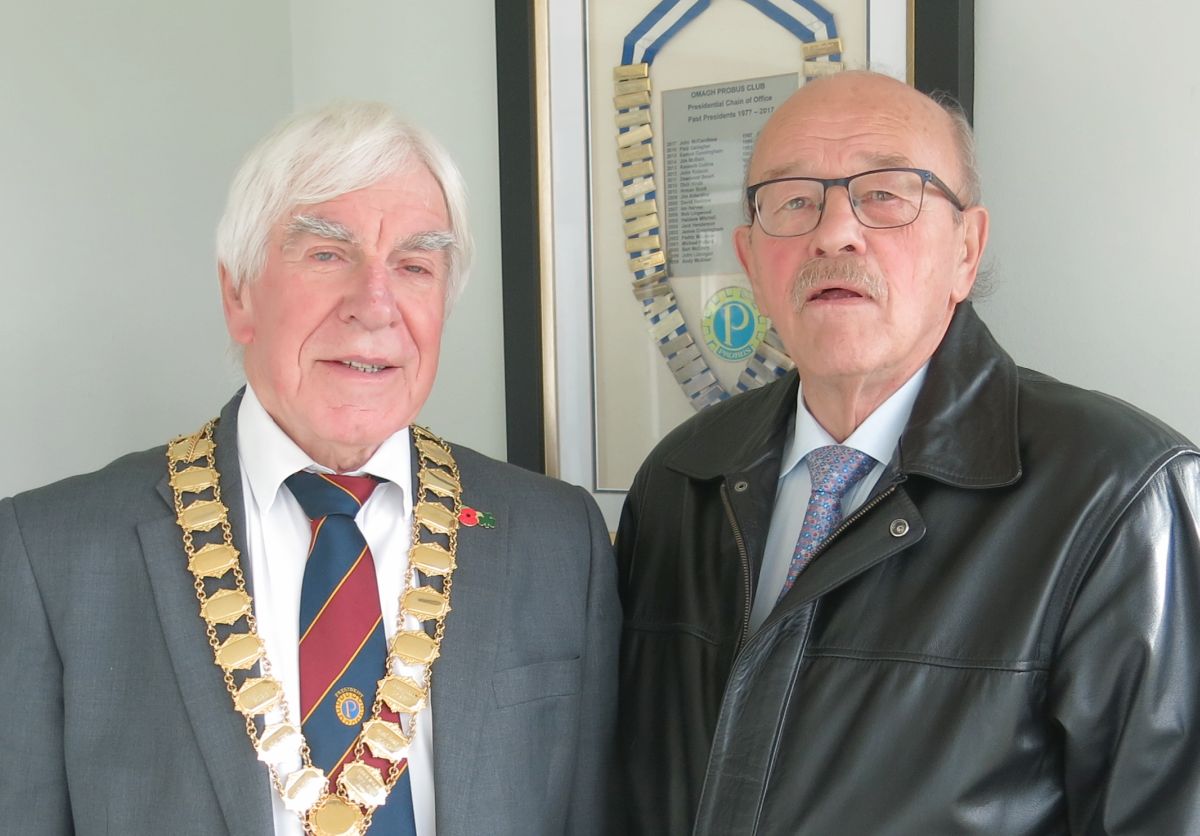
Club President, Felim O’Neill with Kenneth Collins

The speaker on Wednesday 5th November 2025 was club member, Mr Kenneth Collins, who brought to the meeting a local history topic, entitled “A Fateful Migration”. While perusing newspaper columns from the mid-nineteenth century his attention fell on a death notice. Elizabeth Andrews, 22 November 1836, late of Omagh, lost in sinking of the ship BRISTOL, with 2nd son and three daughters”. Patient research uncovered the fact that Mrs Andrews had a shop in Omagh and when her husband David died she decided to sell and emigrate to the USA, to join her eldest son who had emigrated earlier.

Their journey began by taking a horse drawn open coach from Omagh to Derry where they took a paddle steamer to Liverpool and from where in October 1836 she and her children boarded the BRISTOL, a ship bound for New York.  By all accounts the 35-day voyage across the Atlantic was uneventful, but fatefully no pilots were available to take the ship on the final leg of its voyage from Long Island 20 miles up the to the New York docks.   While waiting a severe storm blew up which drove the ship aground and Mrs Andrews, her 2nd son and three daughters were among 100 fellow passengers who perished, despite the best efforts of local fishermen to rescue those on board.

Kenneth’s talk included how the story was uncovered, contemporary accounts of conditions on the old Trans-Atlantic emigrant sailing ships and photographs of the memorial erected in Rockville cemetery not far from Rockaway beach where the BRISTOL foundered. His talk prompted much discussion and earned him a well-deserved round of applause.